Health and Safety Policy for Tufnell Park Skip Hire
Purpose: This policy sets out the principles and arrangements that govern safe operations for our skip hire and rubbish removal services. It covers skip delivery, collection, on-site waste handling and vehicle operations across our rubbish company service area. The aim is to protect employees, contractors, customers and the public by reducing the risk of injury, ill health and environmental harm. Commitment to safe practice is integral to our business and underpins every activity from booking to final disposal.Policy overview and scope
All staff and authorised contractors must comply with this policy. It applies to operational teams, drivers, loaders, site representatives and any person carrying out duties on behalf of the skip hire and waste collection business. Our approach is preventative: hazards are identified and controlled, risks assessed, and improvements implemented. We encourage a culture where safety concerns are reported promptly and risk controls are reviewed regularly. Responsibilities: Management is responsible for providing resources, training and oversight to maintain safe operations. Supervisors must ensure safe systems of work are followed. Employees are expected to work safely, use personal protective equipment, and report hazards. Key responsibilities include:
- Risk assessment – Conduct and document routine assessments for deliveries, collections and on-site loading.
- Safe equipment use – Maintain skips, lifting gear and vehicles to authorised standards.
- Communication – Ensure clear handover and signage on sites where skip hire activity takes place.
Operational safety and manual handling
Operational safety covers vehicle movements, loading procedures and customer sites. Drivers and loaders must follow established loading limits to prevent overloading and instability. Manual handling controls include mechanical aids where practical and team lifts for awkward objects. We must always consider traffic management, pedestrian access and safe stacking of materials in skips to avoid shifting while en route.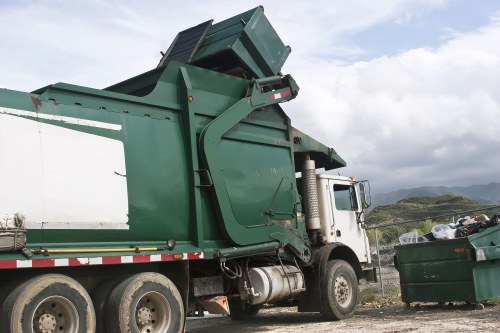 Personal protective equipment (PPE) and training: All operatives are provided with appropriate PPE including high-visibility clothing, safety boots, gloves, eye protection and respiratory protection where dust or fumes are present. Training is compulsory and includes induction, load restraint techniques, correct use of lifting equipment and basic first aid. Records of competence and refresher training are maintained to ensure staff remain competent for the tasks undertaken.
Incident reporting and emergency procedures: Any incident, near miss or unsafe condition must be reported immediately. The company has clear reporting lines and investigation procedures aimed at identifying root causes and preventing recurrence. Emergency procedures cover spillage containment, fire response, first aid and securing the scene of a vehicle incident during rubbish collection or skip transport. All incidents are logged and reviewed as part of continuous improvement.
Waste segregation and hazardous materials: Our operations include routine segregation to reduce risks associated with hazardous waste. Dangerous goods, asbestos, chemical containers and contaminated soil are subject to specialist handling and must never be placed in general skips. Employees must follow procedures for identifying suspect materials and securing them until specialist removal can be arranged. Correct identification and documentation reduce health risks and ensure regulatory compliance.
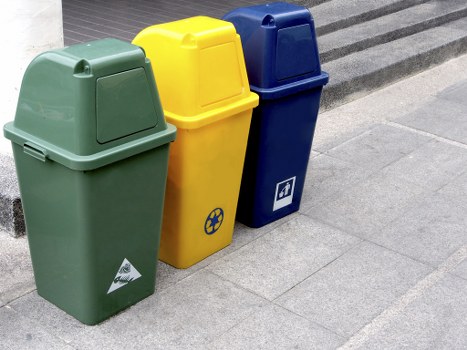 Site access and customer premises: When carrying out skip hire work on customer premises, staff will confirm safe access, verify loading zones and ensure that skip placement does not obstruct emergency routes or utilities. If a site presents elevated risk — for example unstable ground, overhead hazards or restricted access — work must not proceed until risk controls are in place. The company retains the right to refuse a job where risks cannot be controlled satisfactorily.
 Monitoring, audits and review: Health and safety performance is monitored through routine inspections, operational audits and periodic management reviews. Findings are used to update procedures, training and equipment. Performance indicators include incident rates, near-miss reports, completion of training and the condition of vehicles and skips. Continuous improvement drives our approach to a safer rubbish clearance and skip hire service.
Contractors and third parties: All subcontractors engaged to support skip hire or rubbish collection must meet our safety expectations. Contracts include clear safety obligations, and contractors must demonstrate suitable insurance, competence and safety arrangements. Cooperative working and information sharing ensure safe handovers, particularly during larger clearances or multi-skip projects.
Environmental controls and sustainability: Minimising environmental harm is a key element of safety. Measures include spill prevention, correct disposal routes for different waste streams and procedures to limit dust, noise and litter during drop-off and collection. Staff are trained to prioritise recycling and reuse where possible, and to follow waste transfer documentation requirements for traceability.